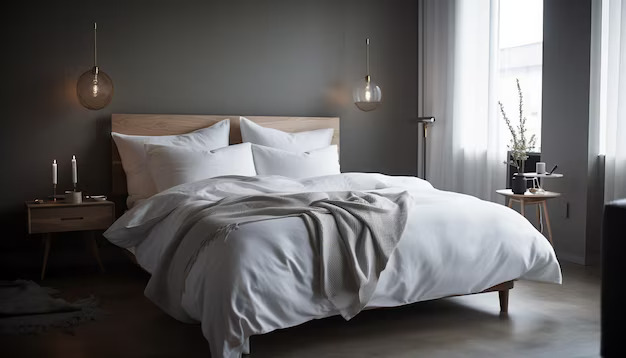
Elevating daily living doesn’t have to involve remodeling, new floors, or a shopping spree that leaves you overwhelmed. Often, the biggest quality-of-life upgrades come from small shifts that make your home easier to use, easier to reset, and more pleasant to return to at the end of the day. When you focus on comfort, flow, and a few high-impact details, your space can feel refreshed without any “major change” at all. The key is choosing upgrades that quietly support your routines instead of adding more decisions to manage.
Start with one high-impact textile swap
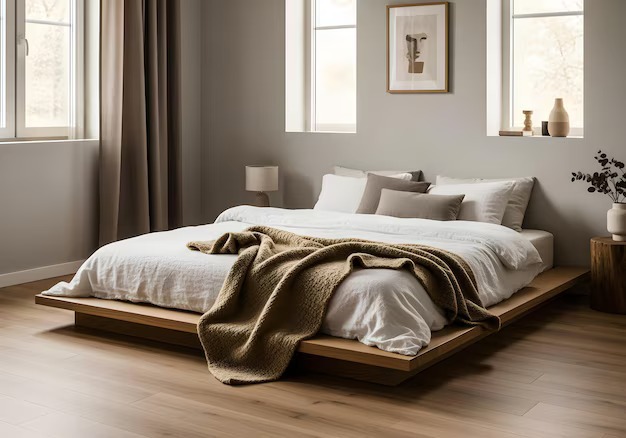
Textiles change the feel of a room faster than almost anything else because they touch both the eye and the body. If your bedroom feels unfinished or your sleep space lacks a clear focal point, one upgraded layer can instantly make it look more intentional. For example, choosing a double bed bedspread in a tone that complements your walls can pull the whole room together without moving a single piece of furniture. Aim for a fabric that drapes well and a color that stays calm in different lighting, so the improvement feels consistent morning to night.
Improve flow by removing tiny obstacles
Daily living feels smoother when you can move through your home without micro-annoyances, such as chairs that block walkways, cords that snag your feet, or storage that forces you to open three things to put one item away. Do a five-minute walkthrough and notice where you hesitate. Then make one change: shift a side table, relocate a hamper, or reroute a cable with clips. These adjustments can feel almost too small to matter, but they add up because you repeat them every day. Comfort is often just the absence of friction.
Make surfaces easy to reset in two minutes
A home feels elevated when it looks “pulled together” most of the time, not only right after a deep clean. Choose two or three key surfaces like a coffee table, kitchen counter corner, and dresser top, and give each a simple structure: one tray or bowl for loose items, one functional object you actually use, and one calming visual element. The structure keeps clutter from spreading and turns tidying into a quick reset. When your surfaces have boundaries, you stop needing willpower to keep them clear.
Upgrade lighting so evenings feel calmer
Lighting is one of the most underrated lifestyle upgrades because it affects mood immediately. If your home feels harsh at night, it’s often due to bright overhead lights or cool-toned bulbs. Add one warm lamp to the area where you relax most, and prioritize lower, softer light sources that create a gentle glow. If possible, use dimmable bulbs or smart plugs so you can shift from “active” to “rest” lighting without effort. A calmer evening atmosphere can make your whole day feel more complete.
Create a landing zone that prevents a mess
Many homes feel cluttered, not because there’s too much stuff, but because the same few items never get a proper home. Build one small landing zone near your entry or wherever you naturally drop things: a hook for keys, a basket for bags, and a dedicated spot for mail that doesn’t live on the counter. This is where simple living tips become practical, with less time searching, fewer piles forming, and fewer decisions when you walk in tired. A clear landing zone also sets the tone for the rest of the home, because the first view is calmer.
Refresh the room with one intentional vignette
If you want your space to feel styled without redecorating, create one intentional vignette, an arrangement that looks finished and functional. It might be a chair with a throw and a small side table, a console with a lamp and a tray, or a bedside setup with a book and a glass. Keep it minimal, but not sterile, and make sure every item has a reason to be there. This is one of the most reliable interior styling tips because a single well-composed corner can change how the entire room reads.
Choose comfort upgrades that reduce daily decisions
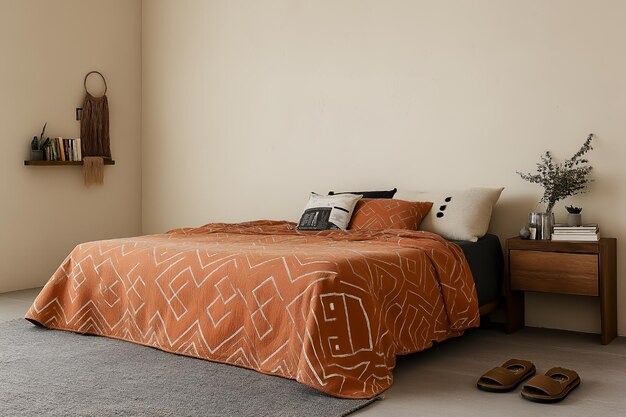
The most effective non-renovation upgrades are the ones that cut down decision fatigue. Put a small basket where chargers always live. Store an extra set of cleaning cloths where spills actually happen. Keep a throw within reach of the couch so you don’t have to “go find one.” When comfort is accessible, you use it more, and your home feels supportive instead of demanding. Think of these as tiny systems: once set up, they keep working even on busy weeks.
Make your home sound softer without buying much
A home that feels elevated often sounds quieter. If rooms echo, add softness with what you already have: a thicker rug, curtains, fabric wall art, or an upholstered bench. Even rearranging, like placing a bookcase on a wall that reflects sound, can reduce harshness. Softer sound makes conversations feel easier, helps you unwind faster, and gives the whole space a more settled, “finished” quality. This is especially helpful in apartments or open-plan layouts where noise tends to bounce.
Conclusion
Elevating daily living without major home changes is about choosing upgrades that you’ll feel repeatedly better flow, calmer lighting, easier resets, and comfort that’s always within reach. When you focus on small systems and high-impact details, your home becomes less of a project and more of a support for the life you’re actually living. Start with one shift that removes friction today, then add the next when you’re ready, because the most lasting improvements are the ones that fit naturally into your routine.