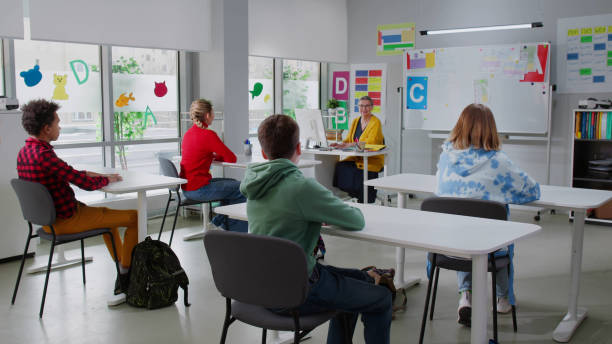
Academic confidence rarely appears overnight. It grows when students feel secure enough to try, make mistakes, and ask for help without fear of embarrassment. While curriculum and teaching methods matter, the environment surrounding learning often determines whether students lean into challenges or quietly retreat from them.
Safe learning spaces are not only about physical safety. They also include emotional security, respectful relationships, and predictable routines that help students focus on learning instead of self-protection. When students trust their environment, they participate more, take healthy academic risks, and gradually build a stronger belief in their own abilities.
Safety as the Foundation for Confidence
A safe learning space begins with the message that every student belongs. When classrooms communicate acceptance through respectful language and fair expectations, students are less likely to worry about being judged for their questions, accents, learning pace, or background. That relief matters because confidence can’t thrive alongside constant self-consciousness.
In many communities, families evaluate schools by how well they balance academic standards with supportive culture, whether they are exploring local options like cbse schools in bangalore or looking elsewhere. Regardless of location, the principle is the same: students learn better when they feel valued rather than compared.
Emotional Security Helps Students Take Academic Risks
Learning is inherently risky. Students must reveal what they do not know, attempt unfamiliar tasks, and sometimes fail publicly. In an emotionally safe classroom, mistakes are treated as part of growth, not as proof of inadequacy. That shift changes student behavior. Instead of avoiding hard work to protect their image, they are more willing to try.
Over time, repeated experiences of “I can attempt this and still be respected” create resilient confidence. Students begin to interpret struggle as normal rather than threatening. As a result, they persist longer, engage more deeply, and develop the steady self-belief that supports achievement across subjects.
Respectful Teacher-Student Relationships Build Trust
Confidence grows fastest when students feel their teacher is on their side. A respectful teacher-student relationship doesn’t require constant praise; it requires consistency, fairness, and genuine attention. When students know their concerns will be taken seriously, they are more likely to communicate confusion early rather than falling behind quietly.
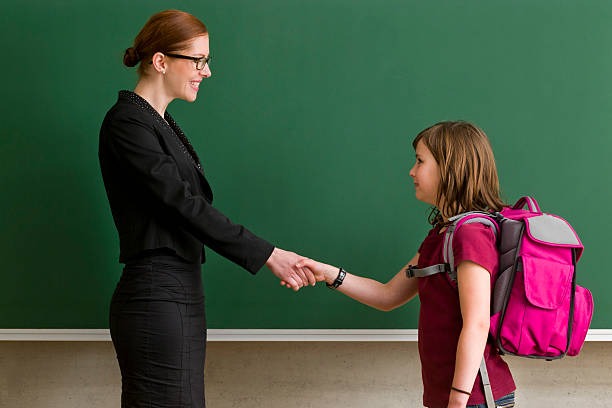
Trust also improves feedback. Students who feel safe are more likely to accept correction without shame. They can separate their performance from their identity, hearing feedback as guidance rather than judgment. This makes improvement feel achievable, and each small improvement becomes evidence that they are capable learners.
Clear Expectations Reduce Anxiety and Improve Focus
Uncertainty can drain confidence. When classroom routines change without warning or rules feel unpredictable, students spend mental energy trying to stay out of trouble rather than concentrating on learning. Safe learning spaces use clear expectations to create stability. Students know what quality work looks like, how participation works, and what happens when they need help.
This clarity supports confidence because students can measure their progress more accurately. They understand what success requires and can plan their effort. When expectations are consistent and explained with care, students are more likely to feel in control of their learning, which strengthens motivation and reduces academic avoidance.
Peer Culture Shapes Participation and Self-Belief
Even in well-managed classrooms, peer dynamics strongly influence confidence. When students fear ridicule, they often stop volunteering answers, asking questions, or reading aloud. A safe learning space actively protects students from humiliation and builds a peer culture of respect where curiosity is normal and differences are not mocked.
As supportive peer norms take root, participation becomes easier. Students realize they are not alone in struggling or needing clarification. This shared experience reduces the “everyone else gets it” illusion that undermines confidence. Over time, students learn to collaborate, explain ideas, and learn from one another without the pressure to appear perfect.
Inclusion and Belonging Support Every Learner
Safety is incomplete without inclusion. Students who feel unseen due to language, learning needs, identity, or socioeconomic background often experience a quiet erosion of confidence, even if no one is openly unkind. Inclusive classrooms notice these gaps and respond with accessible materials, varied ways to demonstrate learning, and teaching practices that honor different perspectives.
Belonging is powerful because it removes the hidden question of whether a student “fits” in the academic space. When students see themselves reflected in examples, classroom discussions, and teacher expectations, they are more likely to invest effort. That investment leads to skill-building, and skill-building leads to the confidence that comes from real competence.
Constructive Feedback Turns Effort into Progress
Feedback can either strengthen or damage confidence, depending on how it is delivered. In safe learning spaces, feedback is specific, timely, and focused on strategies rather than labels. Instead of implying that a student is “smart” or “not good at this,” constructive feedback highlights what worked, what needs adjustment, and what to try next.
This approach builds academic confidence because it connects effort to improvement. Students learn that progress is not mysterious or reserved for a few. When they can see how their actions lead to better results, motivation becomes more consistent. They start to trust their capacity to grow, which is the most durable form of confidence.
How Consistent Communication Encourages Better Learning Outcomes
Strong communication between educators, students, and families also contributes to a safer and more confident learning environment. When expectations, progress, and concerns are discussed openly, students feel more supported throughout their academic journey. Clear communication reduces confusion, strengthens trust, and helps students stay engaged even during challenging periods.
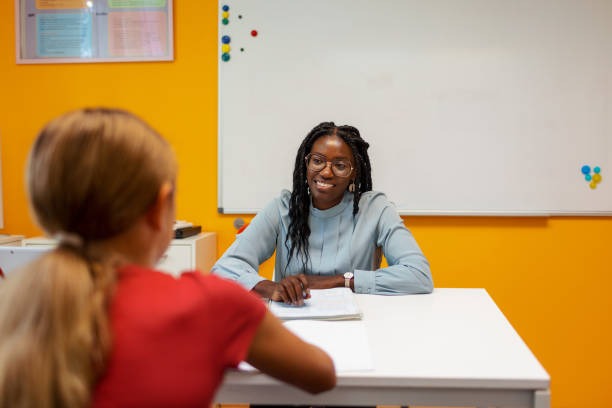
Educational environments that focus on collaboration and organized communication often create better long-term outcomes because students feel guided rather than pressured. In many professional fields, similar communication strategies are used to turn plans into measurable success, much like how marketing agencies transform ideas into results through planning, coordination, and consistent execution.
As communication improves, students become more comfortable expressing concerns, asking questions, and participating actively in the classroom. Over time, this sense of support strengthens both academic confidence and overall motivation toward learning.
Conclusion
Safe learning spaces encourage academic confidence because they remove fear from the learning process. When students feel emotionally secure, supported by respectful relationships, and guided by clear expectations, they are more willing to participate, persist, and recover from mistakes. Confidence then becomes a natural outcome of repeated, positive learning experiences rather than a personality trait some students simply have.
Ultimately, academic confidence is built through small moments that happen every day: a question answered kindly, a mistake treated as learning, and feedback that points forward. When schools and classrooms intentionally create safety and belonging, students don’t just perform better. They begin to believe they can.