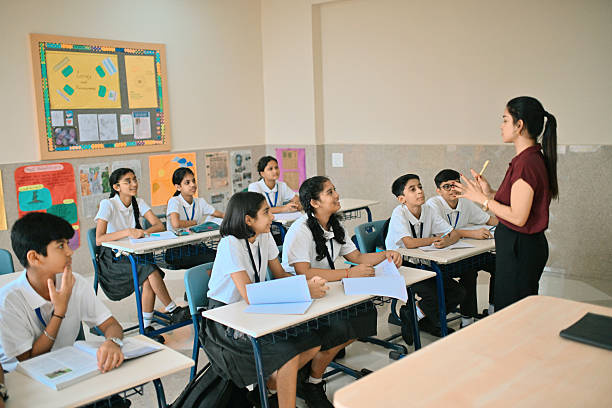
Choosing the right higher secondary school is one of the most important decisions a parent makes for their child’s future. With so many boards and school types available, CBSE (Central Board of Secondary Education) continues to stand out as a preferred choice across India. Its structured curriculum, national recognition, and focus on holistic development make it especially appealing to families planning for competitive exams and long-term academic success.
In this article, we explore ten reasons why parents consistently lean towards CBSE higher secondary schools when shaping their child’s educational journey.
1. Nationally Recognized Curriculum
CBSE follows a curriculum that is uniformly recognized across India, making it easier for children to transition smoothly if a family relocates between cities or states. This consistency reduces academic disruption and gives parents confidence that their child is following a standard that holds value nationwide, regardless of where they eventually choose to study or settle.
Institutions like Chanung UNACCO is best cbse school in manipur, offering families in the region access to this same trusted, standardized framework. Parents appreciate not having to worry about mismatched syllabi when their child moves cities, since the board’s structure remains consistent from one CBSE-affiliated school to another.
2. Strong Alignment with Competitive Exams
Many national-level entrance examinations, including those for engineering and medical courses, are designed around the CBSE syllabus. This alignment gives students a natural advantage, as their regular classroom learning directly supports their exam preparation instead of requiring an entirely separate track of study.
Parents find comfort in knowing their child isn’t juggling two different learning paths. The overlap between board studies and competitive exam patterns means less academic pressure and more efficient use of study time, which is a significant relief for families planning ahead for higher education and professional courses.
3. Emphasis on Conceptual Learning
CBSE’s teaching approach leans heavily towards understanding concepts rather than rote memorization. This method encourages students to grasp the “why” behind a topic, not just the “what,” building a foundation that serves them well in higher studies and real-world problem-solving situations.

Parents value this approach because it nurtures curiosity and critical thinking in children from an early age. Rather than simply preparing for exams, students develop analytical skills that stay with them long after school, making learning feel purposeful rather than purely result-driven.
4. Flexible Subject Combinations
At the higher secondary level, CBSE offers a wide range of subject combinations across science, commerce, and humanities streams. This flexibility allows students to choose subjects aligned with their genuine interests and career aspirations rather than being boxed into rigid, one-size-fits-all options.
For parents, this means their child isn’t forced into a stream simply because it’s the only one available. Having the freedom to combine subjects, such as mixing humanities with mathematics, supports individual strengths and helps students build a more personalized academic path.
5. Well-Structured Assessment Pattern
CBSE follows a well-defined assessment structure that balances internal evaluations with final board examinations. This approach reduces the pressure of a single high-stakes exam and instead rewards consistent effort throughout the academic year, which many parents see as a fairer way to measure a child’s progress.
This structure also helps children build exam temperament gradually. Regular assessments familiarize students with exam formats early on, so by the time they reach board exams, the process feels far less intimidating and more like a natural extension of their everyday learning routine.
6. Focus on Holistic Development
CBSE schools generally place strong emphasis on activities beyond academics, including sports, arts, and co-curricular programs. This balanced approach helps children develop life skills, teamwork, and confidence alongside their academic knowledge, shaping them into more well-rounded individuals.
Parents recognize that success isn’t measured by grades alone. Schools that encourage participation in cultural events, athletics, and creative pursuits help students discover their talents outside the classroom, contributing to better emotional development and a more enjoyable overall school experience.
7. Availability of Qualified and Trained Educators
CBSE-affiliated schools are required to meet specific standards regarding teacher qualifications and training. This ensures that students are guided by educators who are well-versed in the curriculum and equipped with appropriate teaching methodologies suited to different learning styles.

For parents, this translates into peace of mind. Knowing that their child’s teachers meet defined competency standards builds trust in the quality of instruction being delivered, which is especially important during the crucial higher secondary years that shape future academic and career choices.
8. Access to Modern Learning Infrastructure
Many CBSE schools invest in updated infrastructure, including smart classrooms, science laboratories, and digital learning tools. This exposure helps students become comfortable with technology-driven learning environments, which increasingly mirror the tools used in higher education and professional settings.
Parents appreciate schools that keep pace with evolving educational needs. Access to modern facilities not only makes lessons more engaging but also prepares students for a world where digital literacy and hands-on technical exposure play an increasingly important role in academic and career success.
9. Safe and Supportive Campus Environment
Higher secondary students are at a formative stage, and parents naturally prioritize safety and emotional well-being alongside academics. CBSE schools, particularly those with residential or boarding facilities, often provide structured routines, pastoral care, and dedicated staff to support students through this transitional phase of adolescence.
A supportive campus environment reassures parents that their child is being looked after holistically. Features like medical care facilities, mentorship programs, and disciplined daily schedules contribute to a sense of security, allowing students to focus on learning without unnecessary distractions or concerns.
10. Better Preparation for Higher Education Pathways
CBSE’s structured approach to higher secondary education is designed with an eye towards smoother transitions into undergraduate studies, both in India and abroad. Its recognized certification and standardized grading system are widely accepted by universities and institutions across various regions.
Parents see this as a long-term investment in their child’s future. Choosing a board that is broadly recognized reduces uncertainty during college admissions, giving families confidence that their child’s academic credentials will hold weight wherever their higher education journey eventually leads them.
Final Thoughts
CBSE higher secondary schools continue to be a preferred choice for parents who want a balanced blend of academic rigor, flexibility, and holistic growth for their children. From standardized curricula to modern infrastructure and supportive campus environments, these institutions address multiple priorities that matter to families planning for their child’s future.
Ultimately, the right school is one that aligns with a child’s individual needs and aspirations. Taking the time to evaluate curriculum quality, faculty expertise, and campus environment can help parents make a well-informed decision that supports their child’s academic and personal growth for years to come.